UHF RFID Antenna
High-performance UHF RFID antennas designed for reliable long-range reading in warehouse, logistics, retail and industrial RFID systems.
Long-Range Reading
Up to 15m+
High Gain & Efficiency
Stable Performance
Industrial-grade
Durable & IP Rated
What Is UHF RFID Antenna?
A UHF RFID antenna is an important component of an RFID identification system. It works together with RFID readers and tags to transmit and receive radio frequency signals, enabling automatic data collection and efficient item tracking.
Operating typically in the 860-960MHz frequency range, UHF RFID antennas provide long reading distance and fast multi-tag identification. Therefore, they are widely used in warehouse management, logistics tracking and industrial automation.
Why Choose UHF RFID Antenna?
Multi-Tag Reading
Enables simultaneous scanning of multiple RFID tags to improve inventory efficiency.
Long Reading Distance
Supports efficient identification for warehouse and industrial environments where wider coverage is required.
Stable Performance
Provides reliable communication between RFID readers and tags in different environments.
Flexible Installation
Supports wall, pole, ceiling and gate mounting options according to application requirements.
UHF RFID Antenna Products
Explore our full range of UHF RFID antennas designed for long-range identification, warehouse automation, and industrial tracking systems.
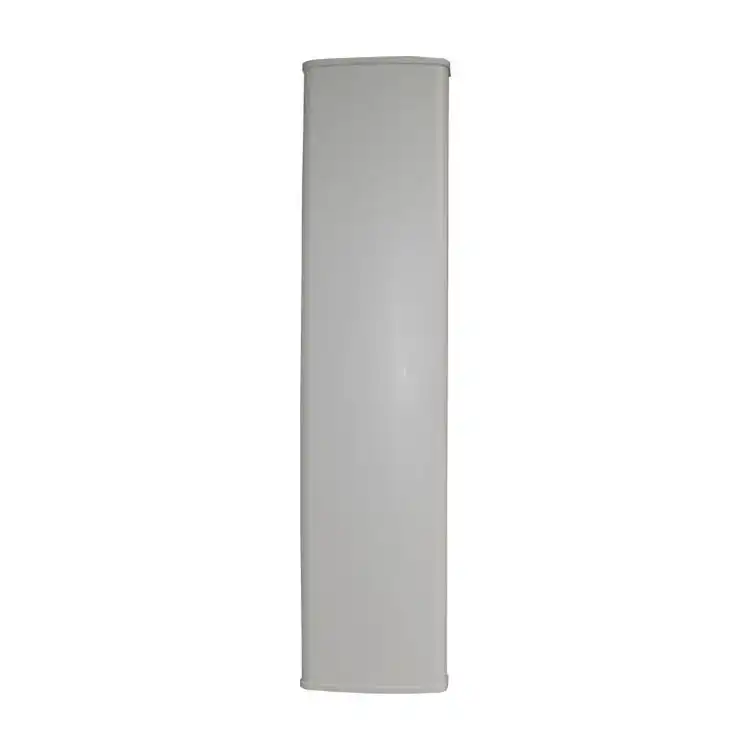
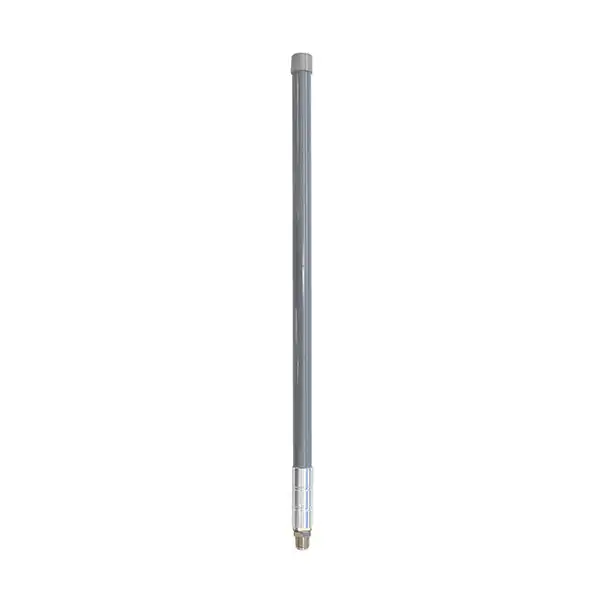
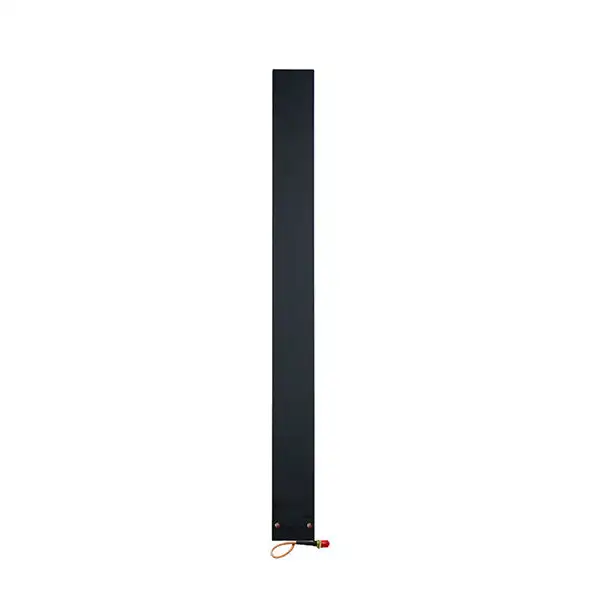
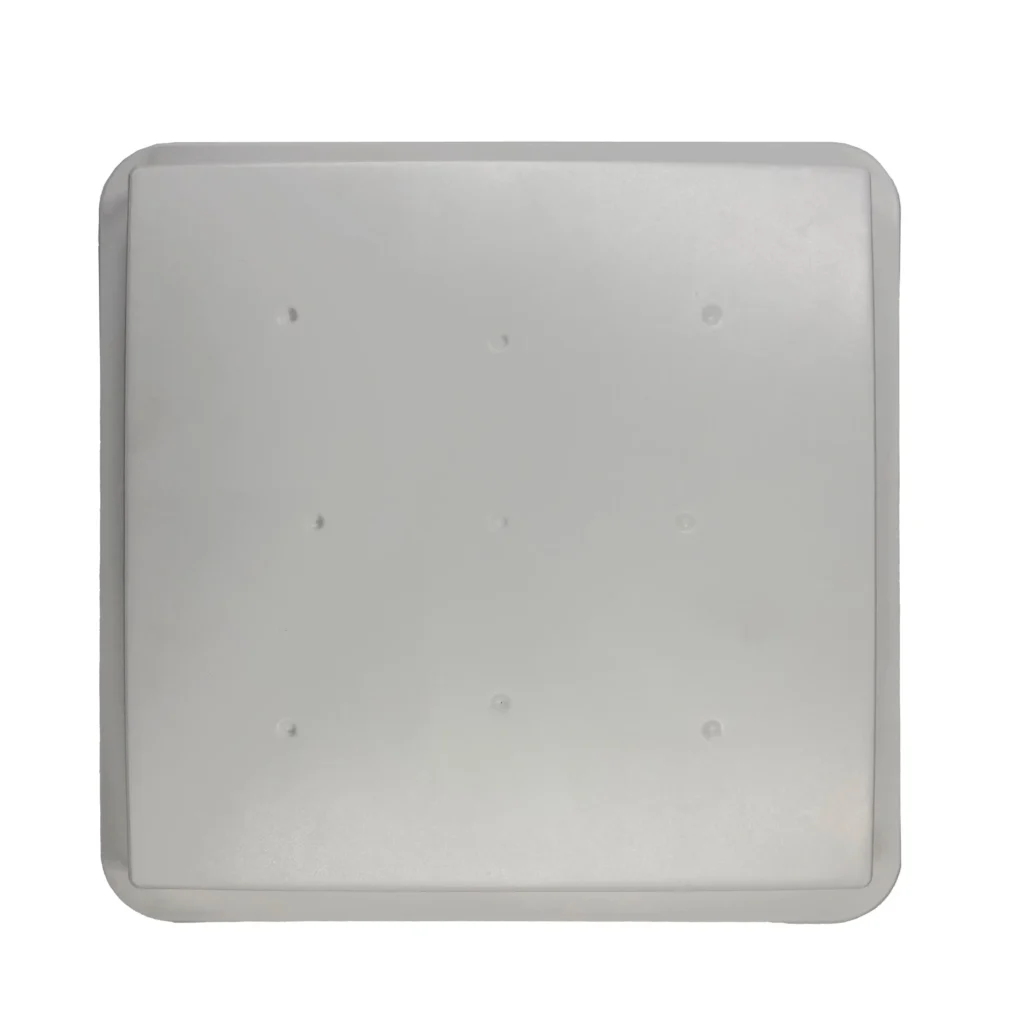
UHF RFID ANTENA - 002LX-360
Frequency: 902-928/865-868 MHz
Polarizatin: Linear
Gain: 2.5 dBi
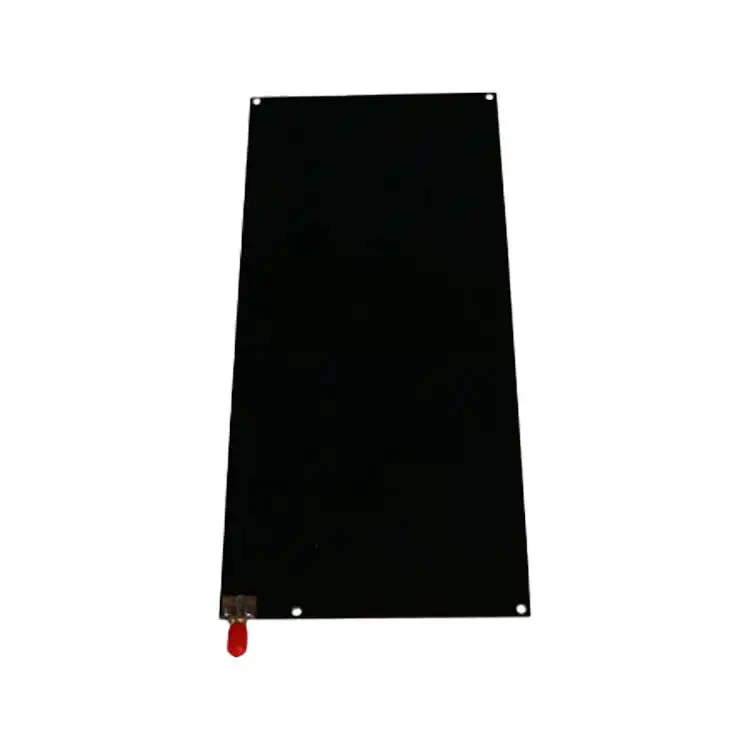
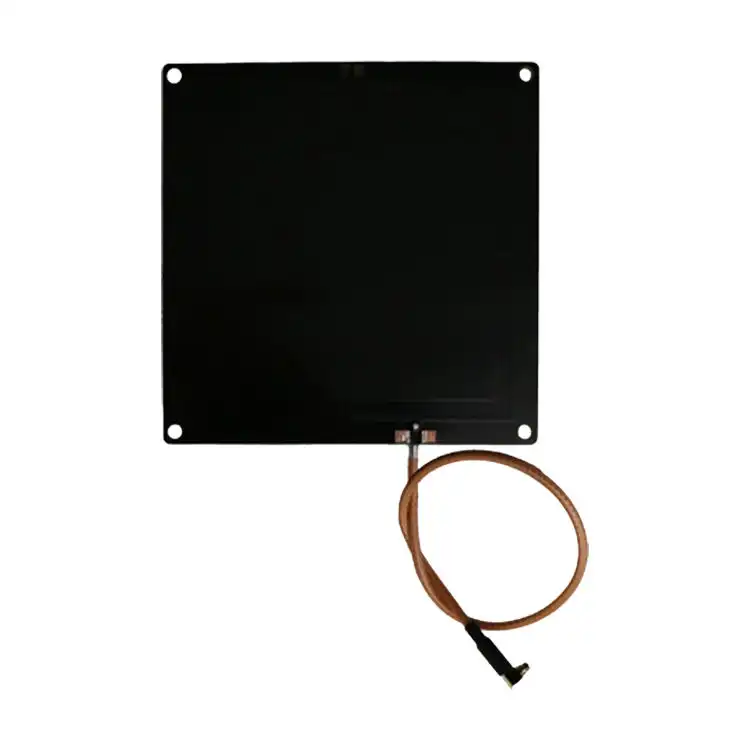
UHF RFID ANTENA - 0009CJSD02
Frequency: 902-928/865-868 MHz
Polarizatin: Circular
Gain: 9 dBi
Everything You Need to Know About UHF RFID Antenna
Explore technology,installation tips,and key factors to choose the right antenna.
application
Warehouse Management
Real-time inventory tracking and pallet management.
Logistics & Distribution
Efficient sorting and shipment tracking in supply chain systems.
Retail Inventory
Fast bulk scanning for clothing and merchandise.
Asset Tracking
Monitor high-value equipment and fixed assets.
Smart Manufacturing
Production line tracking and automation control.
RFID Gate Systems
Entry/exit detection for large-scale item movement.
UHF RFID Antenna vs HF RFID Antenna: Key Differences
UHF and HF RFID antennas are designed for different application environments. Understanding their differences helps you select the right solution for your tracking, identification, or access control system.
Feature
UHF RFID ANTENNA
HF RFID ANTENNA
Frequency
860–960 MHz
13.56 MHz
Standard
EPC Gen2 / ISO 18000-6C
ISO 14443 / ISO 15693
Wavelength
Long-wave UHF
Short-wave HF
Reading Distance
Up to 15 meters or more
Typically 1–50 cm
Reading Speed
High-speed multi-tag reading
Moderate reading speed
Multi-tag Reading
Excellent
Limited
Reader Compatibility
UHF readers only
HF/NFC readers
System Complexity
Medium
Low
Typical Antenna Gain
3dBi–12dBi
Generally not specified by dBi gain
Installation & Mounting Options
UHF RFID antennas support multiple installation methods depending on your application environment and coverage requirements.
Wall Mount
- Suitable for warehouse entrances
- Stable fixed positioning
- Ideal for access control points
Ceiling Mount
- Wide-area coverage scanning
- Used in retail & logistics centers
- Reduces ground interference
Pole Mount
- Adjustable antenna angle
- Flexible deployment setup
- Outdoor RFID tracking systems
Gate Installation
- Dual-antenna configuration
- High accuracy item detection
- Logistics in/out control systems
how to select the right UHF RFID antenna?
Choosing the right UHF RFID antenna depends on your reading distance, polarization type, installation environment and frequency requirements
1
Consider Reading Distance
elect an antenna based on the required reading coverage. Long-range antennas are suitable for warehouse and industrial tracking applications.
Read Range:
Short | Mid | Long
2
Choose Polarization Type
Circular polarization works well when tag orientation changes, while linear polarization suits fixed tag directions.
Polarization:
Circular | Linear | Dual
3
Check Installation Environment
Consider where the antenna will be installed to ensure reliable performance in different environments.
Environment:
Indoor | Outdoor | Industrial
4
Match Frequency Requirements
Choose the correct frequency range according to regional RFID standards and application requirements.
Frequency:
865-868MHz | 902-928MHz | Custom
UHF RFID Antenna FAQs
UHF RFID antennas are widely used in industrial tracking systems. Below are the most common questions to help you better understand product selection, installation, and performance.
The number of RFID antennas connected to one RFID reader depends on the reader model and its available antenna ports. Many fixed RFID readers support multiple antenna connections, allowing wider coverage for applications such as warehouse tracking and access control. However, the ideal configuration should be selected based on the required reading area and system design.
Circular polarized antennas transmit signals in multiple directions, making them suitable for applications where RFID tag orientation is not fixed. In contrast, linear polarized antennas provide a focused signal direction and are ideal when tags have a consistent orientation. Therefore, circular polarization is often preferred for flexible environments, while linear polarization works well for controlled reading areas.
The reading distance of a UHF RFID antenna depends on several factors, including antenna gain, RFID reader power, tag performance and the surrounding environment. Generally, UHF RFID antennas can support long-range identification from several meters to more than 10 meters in suitable conditions. However, the actual reading range may vary based on the application and installation setup.
Performance is affected by materials such as metal and water, RF reflection, tag quality, and environmental noise. Proper tuning and antenna positioning are critical for stable operation.
Yes, but performance depends on antenna beamwidth, reader processing speed, and tag density. Circular polarization antennas generally perform better in dynamic environments.
Longer cables increase signal loss. Using low-loss coaxial cables and proper connectors such as SMA or N-type ensures better RF efficiency.
Need a Custom UHF RFID Antenna Solution?
We provide customized UHF RFID antenna solutions for industrial tracking, embedded systems, and high-precision applications. Contact us for technical support and quotation.
- OEM & ODM Support
- Fast Response within 24 Hours
- Industrial-grade Quality Assurance