RFID Tag
High-performance RFID tags for identification, tracking, and asset management.
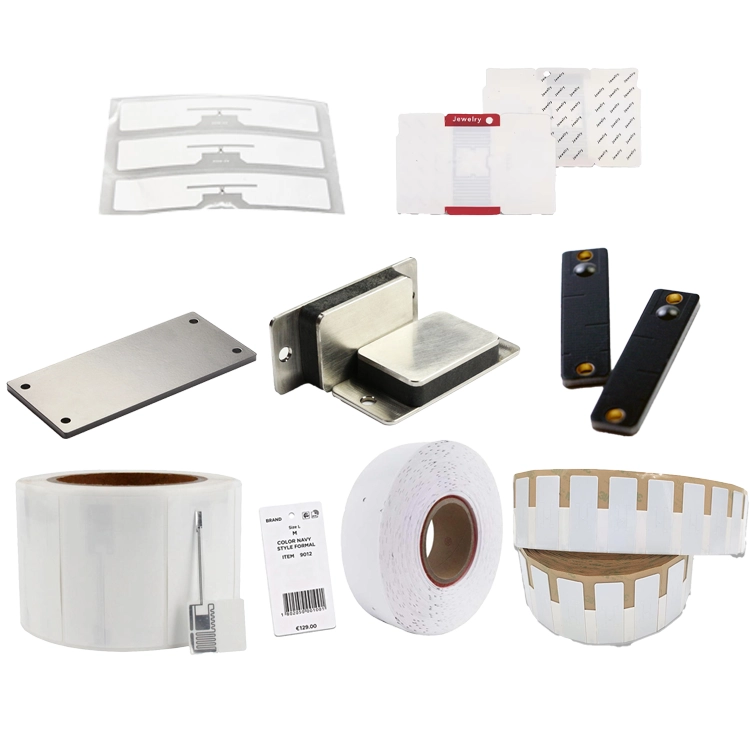
What Is RFID Tag?
RFID tag is a small electronic device that stores and transmits data wirelessly using radio frequency identification (RFID) technology. Each tag contains a microchip and an antenna, which allows it to communicate with RFID readers without physical contact or line-of-sight scanning.
These tags are widely used by businesses to track and manage assets in real time. As a result, organizations can enhance inventory accuracy, improve asset visibility, and increase operational efficiency.
Today, industries such as retail, logistics, warehousing, manufacturing, and healthcare rely on RFID tags to streamline workflows and support data-driven decision-making.
- Fast Identification
- Real-Time Tracking
- Improved Inventory Accuracy
- Contactless Data Collection
RFID Tag & Label
Explore RFID tags designed for different tracking environments, materials and industrial applications. Each RFID tag type offers unique features to meet specific operational requirements.
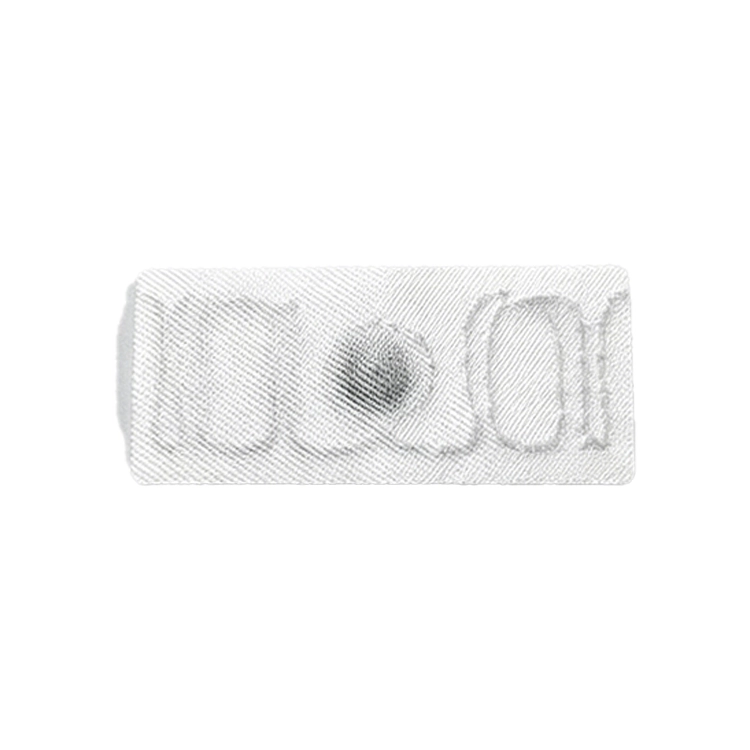
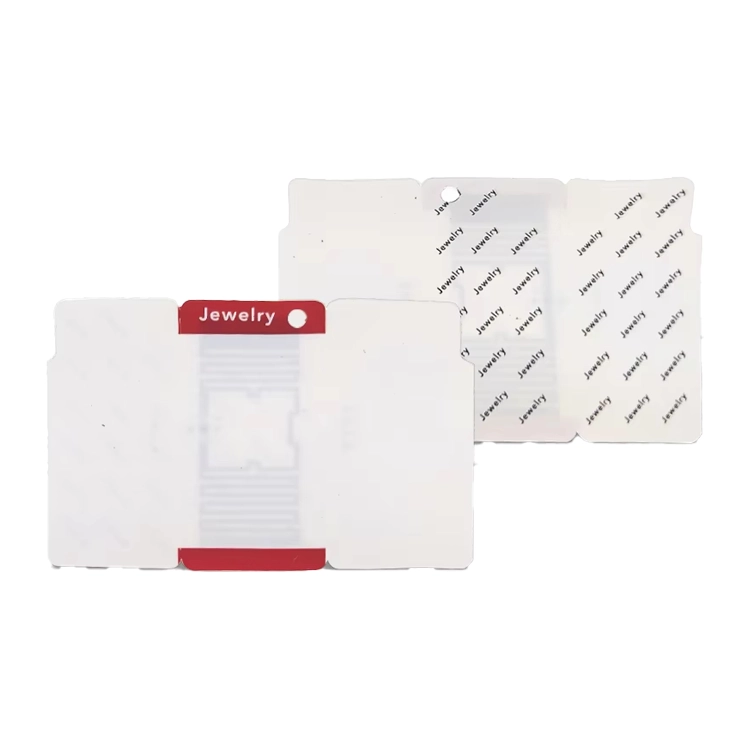
General & Retail Tags
Designed for retail inventory management, apparel tracking and everyday RFID identification applications.
Metal & Industrial Tags
Durable RFID tags designed for metal surfaces and industrial applications.
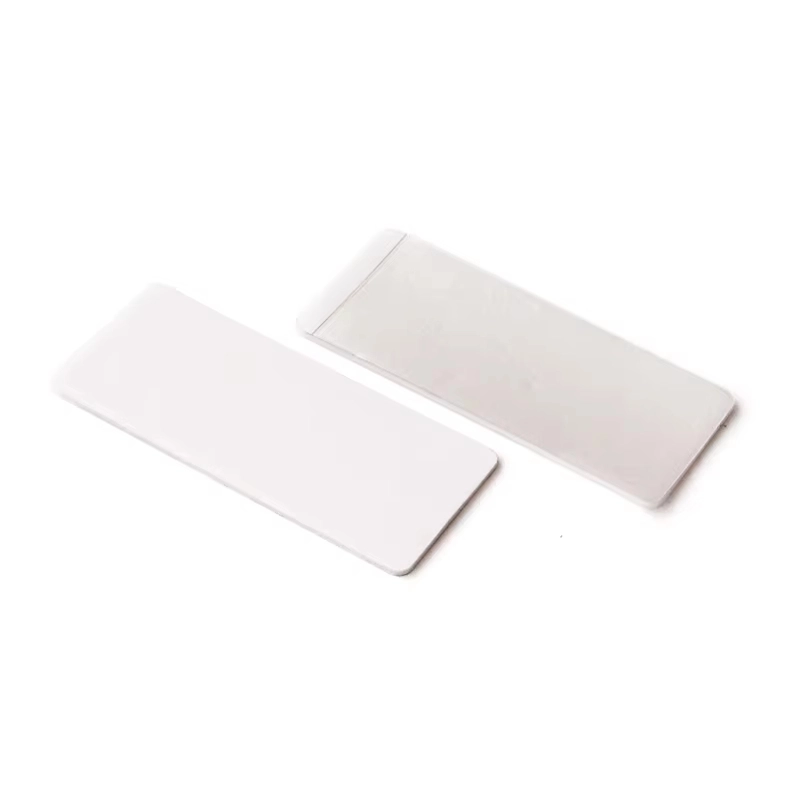
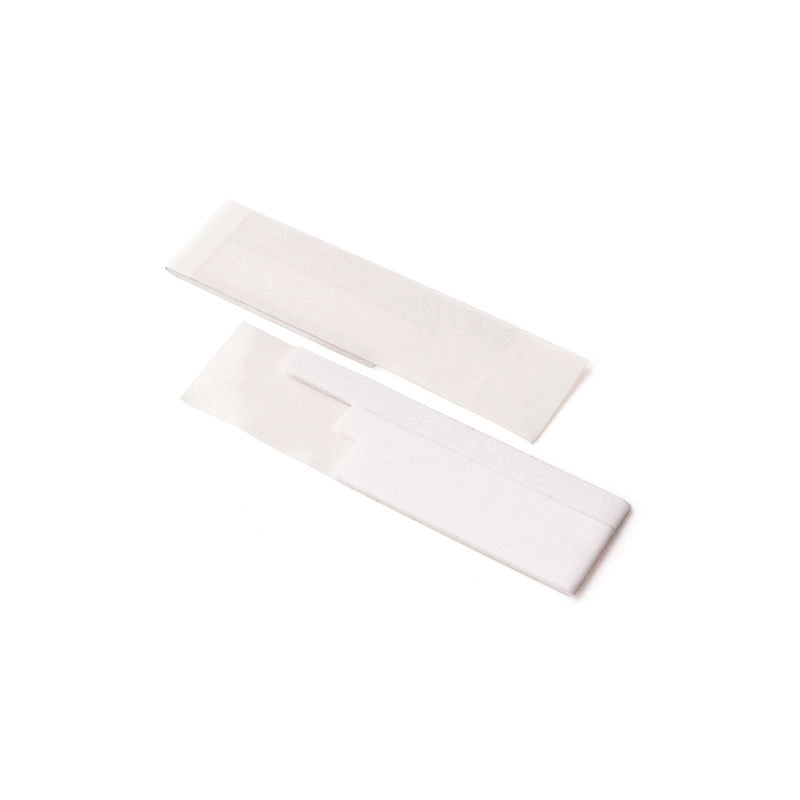
RFID Anti-Metal Tag
- Metal Surface Compatible
- Durable Housing
- Stable Performance
- Industrial Grade
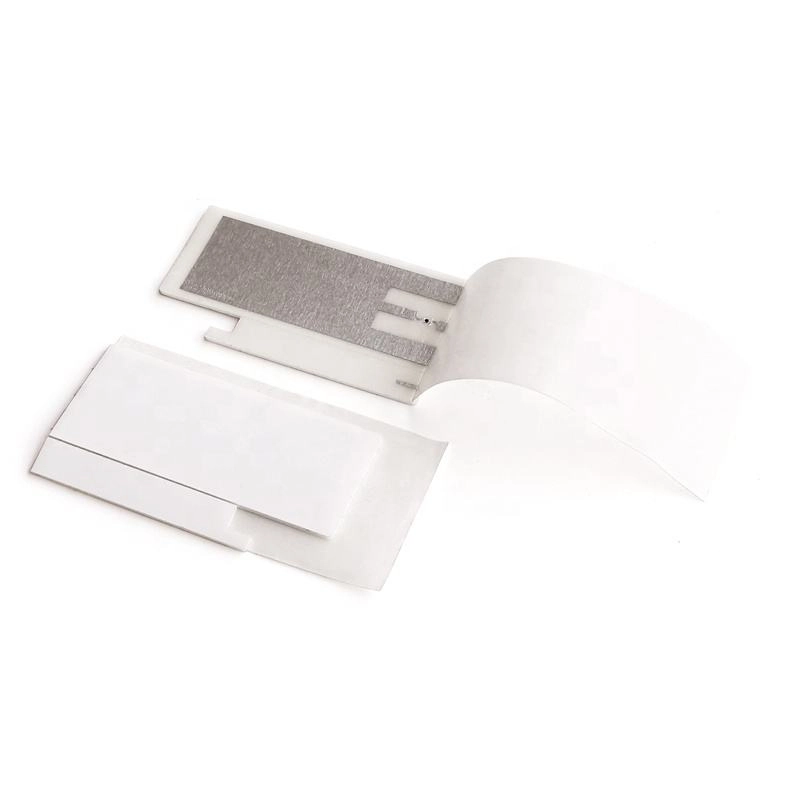
RFID On-Metal Tag
- Optimized for Metal
- Strong Durability
- Weather Resistant
- Reliable Reading
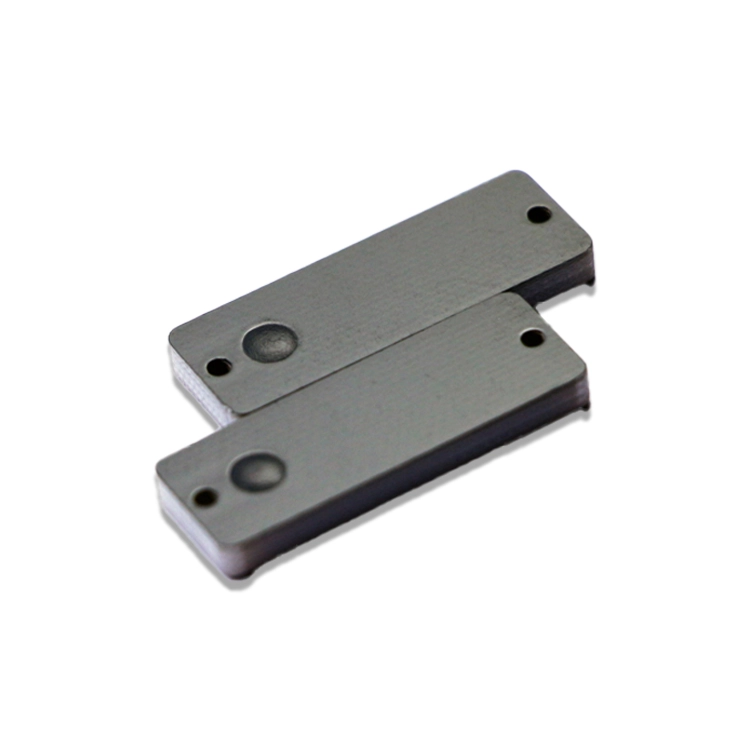
Printable On-Metal Tag
- Printable Surface
- Flexible Design
- Customized Service
- Strong Durability
Special Environment Tags
RFID tags built for vehicles, high temperatures, and harsh conditions.
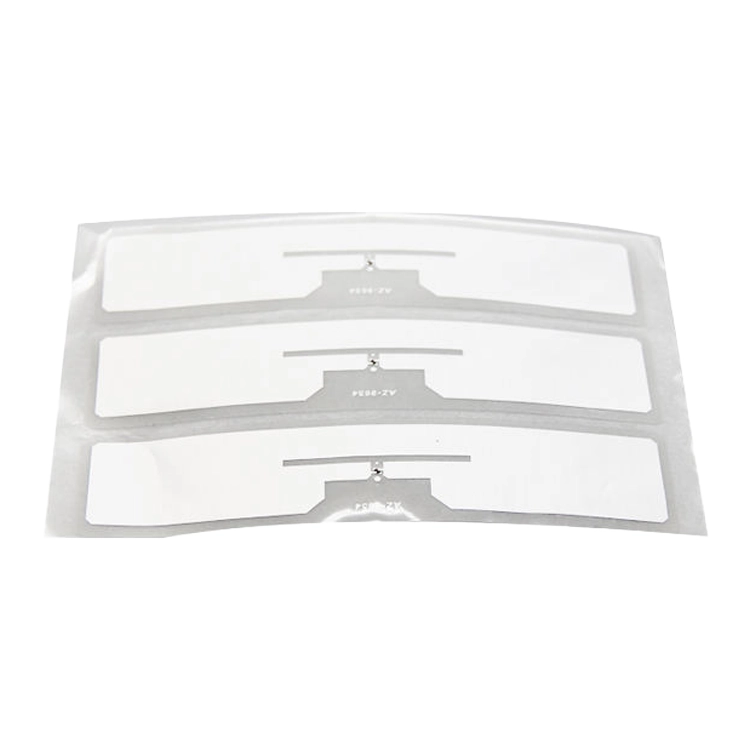
RFID Windshield Tag
- Long Read Range
- Vehicle Identification
- Easy Installation
- Tamper Resistant
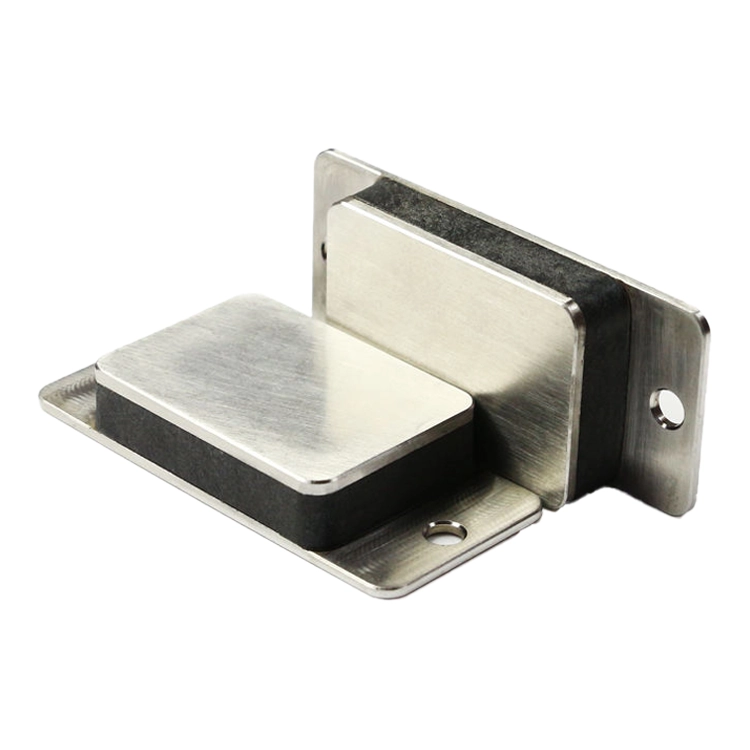
High Temperature RFID Tag
- Heat Resistant
- Industrial Applications
- Long Service Life
- Harsh Environment Ready
RFID Tag Applications
RFID tags are used across multiple industries for tracking, identification, and data collection. Below are the key application areas where RFID technology is widely implemented.
Laundry Management
- problem:
Manual sorting and tracking of textiles can lead to loss and inefficiency
- solution:
RFID laundry tags enable automated identification, sorting and lifecycle management of garments and linens.
- Recommended:
RFID Laundry Tag
Asset Tracking
- problem:
Tools and equipment are difficult to locate and manage.
- solution:
These tags provide automated asset identification and improve equipment visibility.
- Recommended:
RFID Anti Metal Tag
RFID PCB Tag
Access Control & Vehicle Identification
- problem:
Traditional identification methods can slow access management and vehicle control.
- solution:
These products enable fast, secure and contactless identification for personnel and vehicles.
- Recommended:
RFID Windshield Tag
Retail & Inventory Management
- problem:
Tools and equipment are difficult to locate and manage.
- solution:
RFID tags enable real-time inventory visibility, faster stock audits and improved inventory accuracy.
- Recommended:
RFID Jewelry Tag
Supply Chain & Logistics Tracking
- Problem:
Limited shipment visibility can cause delays and inventory inaccuracies.
- Solution:
They provide real-time tracking and improve traceability throughout the supply chain.
- Recommended:
RFID Printable on Metal Tag
RFID Windshield Tag
Industrial Manufacturing
- Problem:
Manual production tracking reduces efficiency.
- Solution:
RFID tags enable automated production tracking and product traceability in demanding environments.
- Recommended:
RFID PCB Tag
High Temperature RFID Tag
How to Choose the Right RFID Tag
Selecting the right RFID tag depends on your application, surface material, environmental conditions and system requirements. Following these key factors helps achieve optimal read performance, tracking accuracy and long-term reliability.
① Application
Determine where the RFID tag will be used, such as inventory management, asset tracking, retail or industrial applications.
② Surface
Identify the mounting surface, including paper, plastic, metal, liquid containers or textile products.
③ Environment
Consider operating conditions such as indoor use, outdoor exposure, high temperatures or moisture.
④ Tag Type
Choose the right RFID label, metal tag, hard tag, card or laundry tag based on your requirements.
RFID Tag Technical FAQ
Frequently Asked Questions about RFID Tags
RFID tags use radio frequency signals to transmit data wirelessly, while barcode labels require optical scanning and direct line-of-sight. RFID tags can be read faster and from a greater distance, making them more efficient for inventory tracking and asset management.
No, RFID tags do not require line-of-sight scanning. They can be read through materials and from a distance, which makes them more efficient than traditional barcode systems.
Read-only RFID tags are programmed with fixed data during manufacturing, and the information cannot be changed or rewritten later. They are commonly used for applications where data security and consistency are important, such as product identification and asset tracking.
Read-write RFID tags, on the other hand, allow data to be written, modified, or updated multiple times. This makes them suitable for dynamic applications such as logistics tracking, inventory updates, and supply chain management where information needs to change over time.
RFID tags can use different chip types depending on application requirements, such as EPC Gen2 chips for UHF applications or HF/NFC chips for short-range identification.
Yes, but standard RFID tags may not perform well on metal or liquid. Special on-metal RFID tags are designed with shielding materials to ensure stable performance in these environments.
RFID tags are used across many industries, including retail, logistics, supply chain management, healthcare, manufacturing, and library systems for real-time tracking and inventory control.
Yes, RFID tags can be customized in terms of size, material, frequency, chip type, and memory capacity. Custom RFID solutions help meet different requirements for industries such as logistics, retail, manufacturing, and asset tracking.
RFID tags may fail or perform poorly in certain industrial environments where signal interference or harsh conditions affect radio frequency communication.
Common situations include strong interference from metal surfaces, high levels of liquid or moisture, extreme temperatures, or electromagnetic noise from nearby machinery. In such environments, standard RFID tags may experience reduced read range or unstable signal performance.
To ensure reliable operation, special RFID tags such as on-metal RFID tags, high-temperature RFID tags, or rugged industrial RFID tags are often used to maintain stable performance in challenging conditions.
Find the Right RFID Tag for Your Application
Contact us for pricing, datasheets, and OEM customization.