RFID Reader
Reliable RFID Readers for Industrial and Commercial Applications
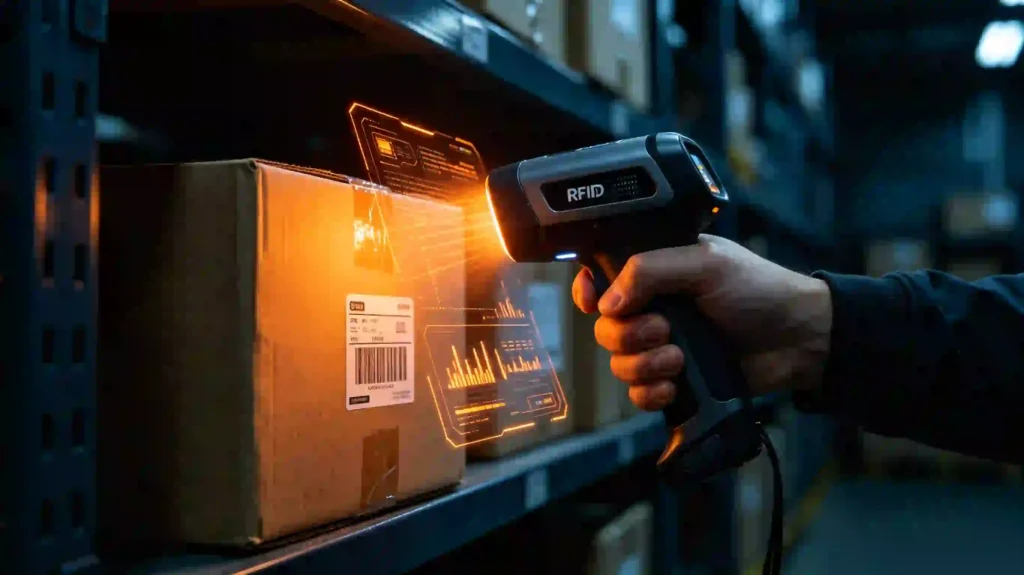
What Is RFID Reader?
An RFID reader is a device that communicates with RFID tags via radio frequency signals, automatically capturing and transmitting data to software systems. It enables contactless identification and real-time tracking across warehouses, retail stores, logistics networks and industrial environments. By integrating with RFID antennas and tags, readers help businesses streamline operations, improve inventory accuracy, and enhance asset visibility without manual intervention.
RFID readers provide the foundation for automated identification, tracking and data collection across modern RFID systems.
Our RFID Reader
Explore fixed, integrated, handheld and desktop RFID readers designed for efficient data capture, asset visibility and RFID system integration across industrial, commercial and enterprise applications.
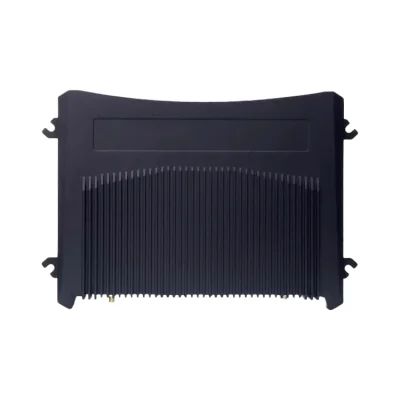
Fixed RFID Reader
Warehouse • Logistics • Industrial
Designed for long-range identification and continuous monitoring in warehouses, logistics centers and industrial environments.
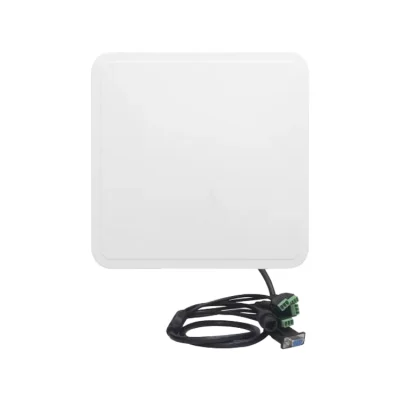
Integrated RFID Reader
Access Control • Automation • IoT
Combines the reader and antenna in one compact unit, simplifying installation for smart access control, industrial automation, and IoT applications.
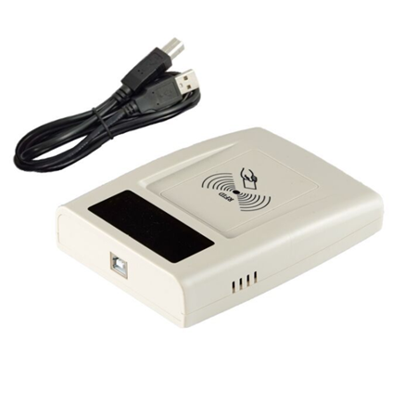
Desktop RFID Reader
Office Use • POS • Library
Compact desktop units for office or small-scale retail environments, ideal for point-of-sale, asset verification, or library management.
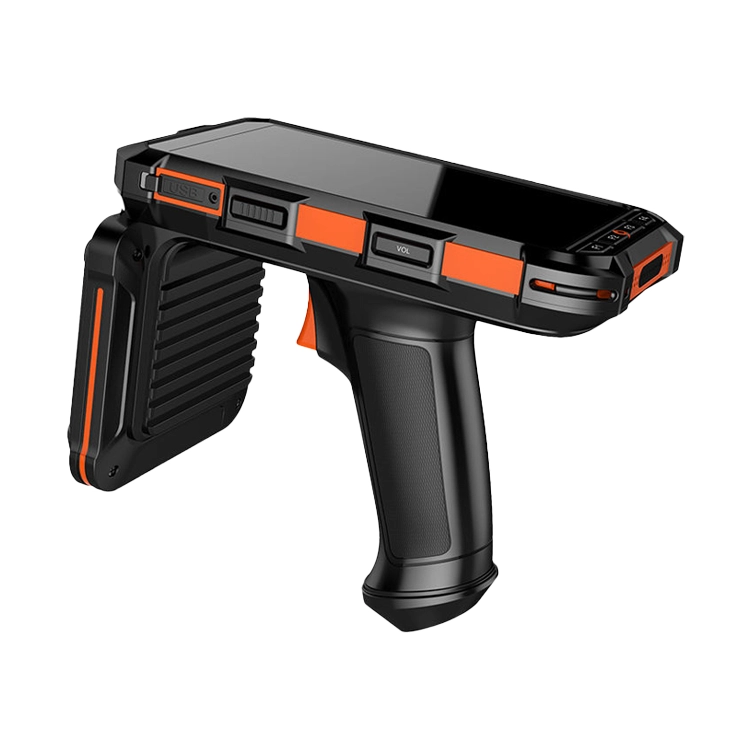
Handheld RFID Reader
Inventory • Retail • Warehouse
Portable devices for flexible inventory counting, asset tracking, and on-the-go scanning in retail, warehouse, and field operations.
INDUSTRY APPLICATIONS
RFID Reader Applications
Our RFID solutions empower businesses across industries with precision tracking, real-time monitoring, and efficient asset management. Applications span supply chain optimization, industrial IoT, healthcare, aviation, smart manufacturing, energy infrastructure, and security systems.
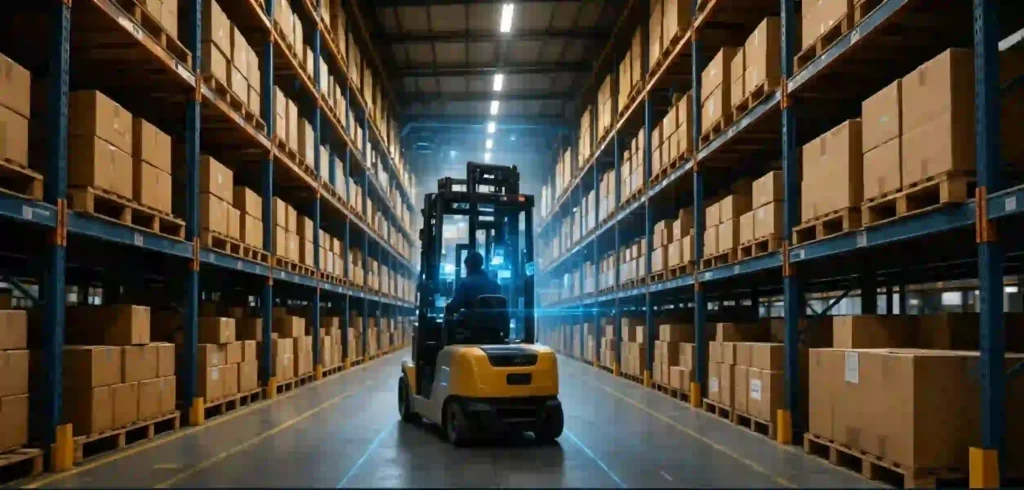
Warehouse
Improve inventory visibility and automate stock management through real-time RFID data collection.
- Improve Inventory Accuracy
- Reduce Manual Counting
- Real-Time Stock Visibility
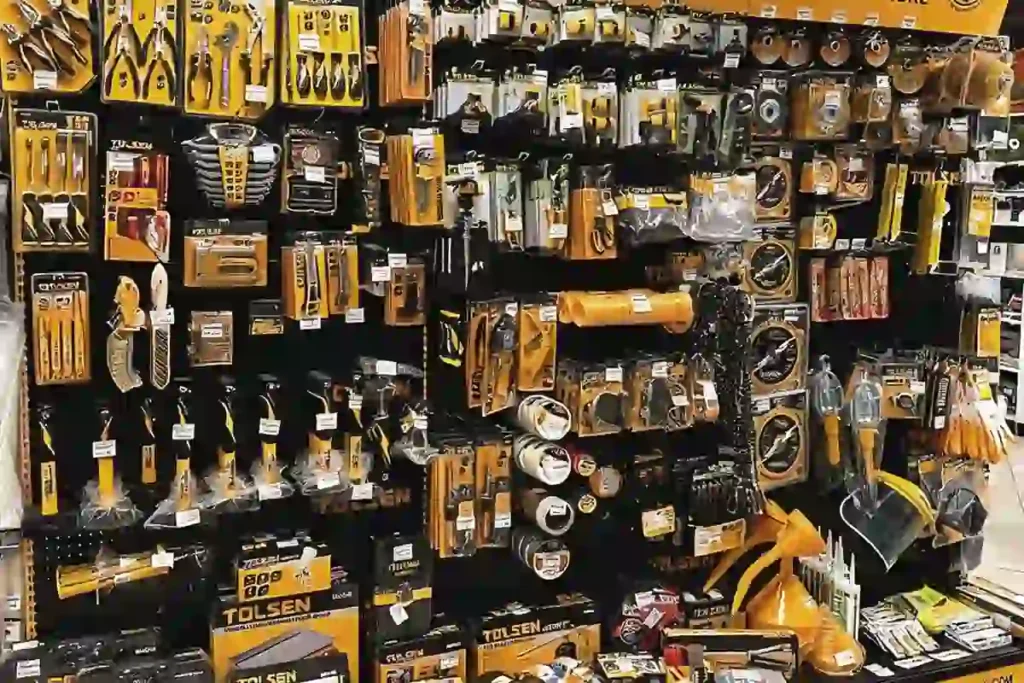
Tool Tracking
Monitor tools and equipment usage while reducing loss and downtime.
- Prevent Tool Loss
- Optimize Asset Utilization
- Simplify Maintenance Management

Logistics
Track shipments and improve operational efficiency throughout the supply chain.
- Faster Shipment Processing
- End-to-End Visibility
- Reduce Delivery Errors

Manufacturing
Enable real-time production monitoring and work-in-progress tracking.
- Increase Production Efficiency
- Monitor Work-in-Progress
- Reduce Process Delays

Healthcare
Enhance patient safety and equipment visibility with RFID-enabled identification systems.
- Improve Patient Safety
- Track Critical Equipment
- Reduce Asset Loss

Security
Manage personnel access and improve facility security using RFID readers.
- Enhance Facility Security
- Automate Access Control
- Improve Personnel Visibility
How to Choose the Right RFID Reader
Choosing the right RFID reader depends on your application, read range requirements, installation method and communication interface.
1
Define Your Application
Identify where the RFID reader will be used, such as warehouse management, retail inventory, asset tracking or access control.
Applications:
Retail | Logistics | Warehouse
2
Determine Read Range
Choose a reader based on the required reading distance, from short-range desktop readers to long-range fixed RFID readers.
Read Range:
Short | Mid | Long
3
Select Reader Type
Consider whether a fixed, handheld or integrated RFID reader best suits your operational requirements.
Reader Type:
Fixed | Handheld | Integrated
4
Check Interfaces
Verify the communication options required for your system, including USB, RS232, Ethernet and WiFi.
Connectivity:
USB |Ethernet | WiFi
RFID Reader Features
Discover the key features and advantages of our RFID readers for industrial and commercial applications.
Fast Data Collection
Quickly capture large volumes of RFID data to improve operational efficiency and visibility.
Industrial Reliability
Designed for stable operation in demanding industrial and commercial environments.
Easy System Integration
Compatible with RFID software, ERP, WMS and asset management systems.
Flexible Connectivity
Support USB, Ethernet, RS232 and other communication interfaces for seamless system integration.
Multi-Tag Identification
Read and process multiple RFID tags simultaneously for fast and efficient inventory management.
Long Read Range
Capture RFID tag data from short to long distances depending on the application and antenna configuration.
Frequently Asked Questions
RFID Reader FAQ
Find answers to common questions about RFID readers, read range, compatibility, installation and RFID system integration.
[Basics】
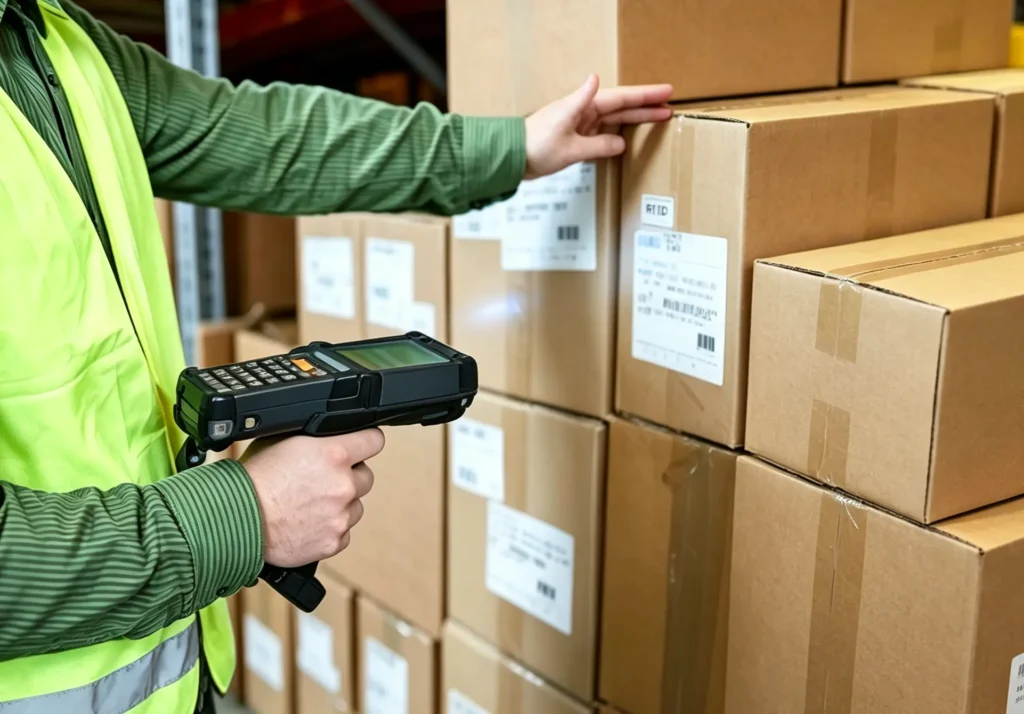
An RFID reader transmits radio waves through an antenna. When an RFID tag enters the reading zone, it responds with stored data, which is then processed and sent to a connected system.
An RFID reader processes and manages RFID data, while an RFID antenna transmits and receives radio frequency signals. Both components work together to identify and track RFID tags.
[Selection】
Read range depends on the RFID reader, antenna, tag type and operating environment. UHF RFID readers can typically achieve reading distances from a few centimeters up to several meters under optimal conditions.
Not always. RFID readers must support the same frequency range and communication standards as the RFID tags. For example, UHF RFID readers are designed to work with UHF RFID tags compliant with EPC Gen2 standards.
[Technology]
Short read distance can be caused by improper antenna placement, obstacles in the reading area, incorrect reader or tag orientation, or insufficient reader power. To improve range, ensure proper alignment between reader and tags, remove obstructions, and verify the reader’s output power settings.
Reader interference can occur when read zones overlap or readers operate on conflicting frequencies. Proper channel configuration, antenna positioning and reader spacing can help minimize interference.
[Integration]
Yes. Most RFID readers support standard communication interfaces such as Ethernet, USB, RS232 and TCP/IP, making integration with ERP, WMS and asset management systems possible.
Network connection issues may result from incorrect IP settings, damaged cables or network restrictions. Check the network configuration, cable connections and firewall settings to restore communication
Need Help Choosing the Right RFID Reader?
Contact RFID Mart for expert advice, product recommendations and customized RFID reader solutions.