Desktop RFID Reader
reliable desktop solutions for tag registration,encoding and data management.
Airplux desktop RFID readers are designed for efficient tag reading, writing, and verification. With flexible software integration and customization support, our solutions help improve RFID workflow accuracy and operational efficiency.
What Is Desktop RFID Reader
A desktop RFID reader is a compact RFID device designed for short-range tag reading, writing, and registration. It provides controlled identification within a defined reading area, making it suitable for tag encoding, asset registration, card issuance, and workstation-based RFID operations.
Why Choose Desktop RFID Reader
Accurate Tag Registration
Capture RFID data accurately during asset registration, card issuance, and identification workflows.
Efficient Tag Encoding
Read, write, and encode RFID tags efficiently from a dedicated desktop workstation.
Reliable Data Management
Manage RFID information efficiently and synchronize records with connected business systems.
Easy System Integration
Integrate seamlessly with software platforms through standard communication interfaces and tools.
our Desktop RFID Reader Products
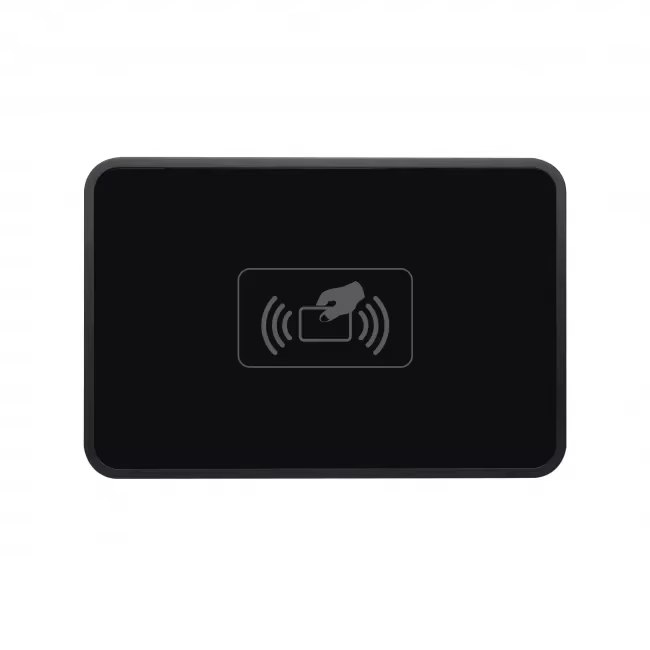
APU7001
- Frequency: 865-868 MHz / 920-925 MHz / 902-928 MHz
- Reading Range: 0-20m
- Operating System: Android 10/13
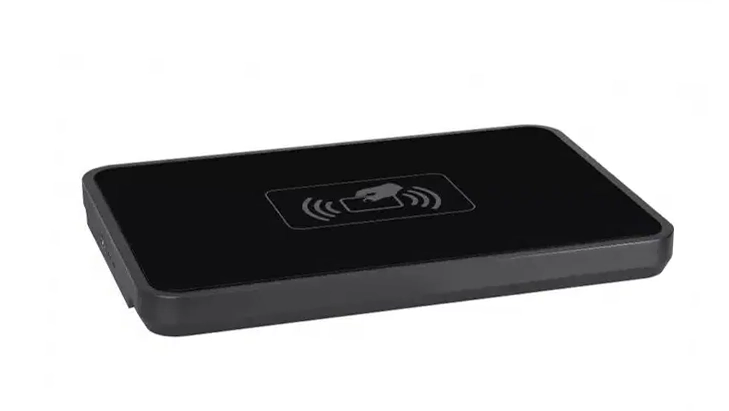
APU7001
- Frequency: 865-868 MHz / 920-925 MHz / 902-928 MHz
- Reading Range: 0-20m
- Operating System: Android 10/13
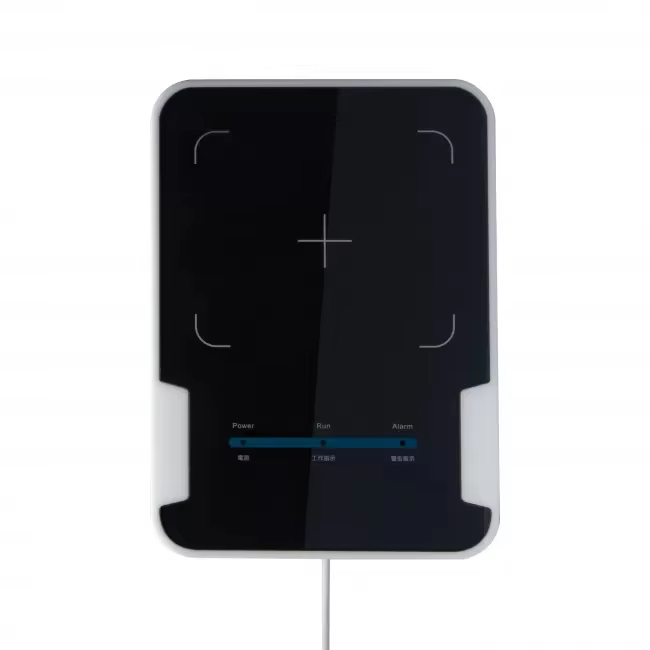
APU7001
- Frequency: 865-868 MHz / 920-925 MHz / 902-928 MHz
- Reading Range: 0-20m
- Operating System: Android 10/13
APU7001
- Frequency: 865-868 MHz / 920-925 MHz / 902-928 MHz
- Reading Range: 0-20m
- Operating System: Android 10/13
Common Desktop RFID Workflows
Desktop RFID readers support a streamlined workflow from tag encoding and data verification to system integration, helping improve operational accuracy and efficiency.
01
Prepare RFID Tag
Place RFID tags within the reading area for identification and initial data preparation.
02
Encode RFID Data
Write required information into RFID tags and prepare them for specific applications.
03
Verify Information
Read stored data and verify tag information to ensure accurate RFID operations.
04
Sync With System
Transfer collected RFID data into management platforms for efficient tracking.
How To Choose The Right Desktop RFID Reader
01
Identify Your RFID Tags
Determine the RFID tag type and frequency used in your project, such as HF or UHF.
02
Define Read And Write Requirements
Choose a reader based on whether your application requires reading, writing, or both.
03
Check Software Compatibility
Ensure the reader supports your software environment and integration requirements.
04
Plan Future Expansion
Consider future RFID deployment needs, including additional devices and applications.
Selection Checklist
- Tag Type
- Read / Write Capability
- Connectivity Options
- Software Compatibility
- Future Expansion
Typical Desktop RFID Reader Applications
Desktop RFID readers support RFID encoding, registration, and verification tasks across a wide range of business environments.

Library Management
Encode and verify RFID tags for books, documents, and library circulation management.
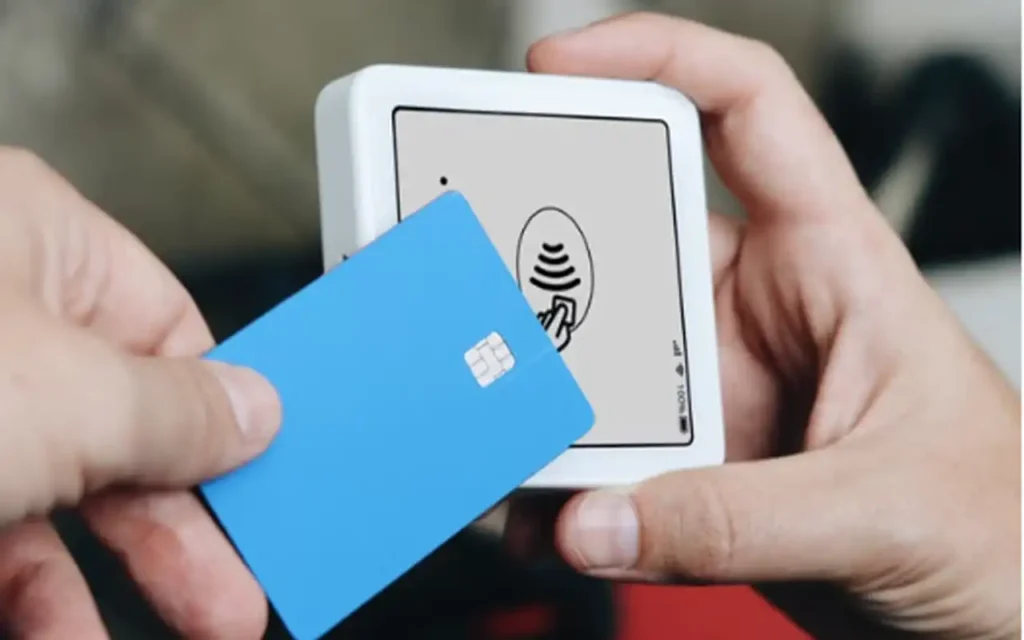
Card Issuance
Program and verify RFID cards for identification, membership, and access control systems.

Asset management
Register, encode, and manage RFID-tagged assets with accurate digital records.
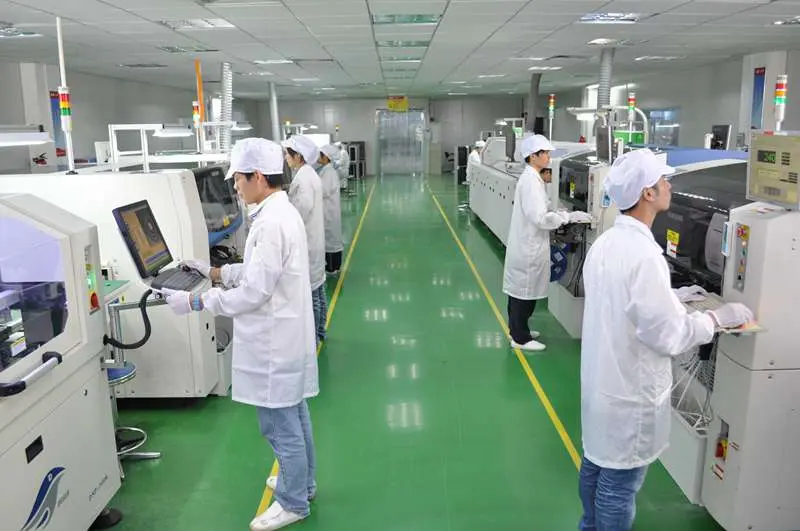
Industrial Tracking
Create and maintain RFID records for equipment, tools, and industrial assets.
Frequently Asked Questions
A desktop RFID reader is a compact RFID device designed for close-range reading, writing, and verification of RFID tags. Unlike handheld or fixed RFID readers, desktop readers are optimized for one-tag-at-a-time interaction, making them ideal for encoding stations, registration counters, access card issuance, and asset management workflows. Desktop readers are commonly connected to a PC via USB and integrated with RFID software platforms for data management.
When selecting a desktop RFID reader, consider the following factors:
- RFID frequency (UHF, HF, NFC, LF)
- Tag compatibility
- Reading and writing requirements
- Software integration capability
- USB, Ethernet, or SDK support
- Application environment
For RFID tag encoding and asset registration, a short-range desktop reader is usually preferred because it minimizes accidental reading of nearby tags and improves operational accuracy.
Desktop RFID readers are designed for short-range, controlled reading environments where individual tags need to be encoded, verified, or registered. Fixed RFID readers are typically connected to external antennas and used for continuous monitoring of larger areas such as warehouses, gates, production lines, and logistics checkpoints. Desktop readers prioritize accuracy and controlled read zones, while fixed readers focus on coverage and automation.
Yes. Most desktop RFID readers support both tag reading and tag encoding. They can write EPC numbers, user memory data, asset identifiers, employee credentials, and other RFID information. After encoding, the same reader can immediately verify the written data to ensure tag accuracy before deployment.
Desktop RFID readers are widely used for:
- RFID tag encoding and initialization
- Asset registration and tracking
- Employee card issuance
- Library management
- Access control enrollment
- Product identification and verification
- Inventory and asset management
Their controlled reading area makes them especially suitable for workflows that require accurate one-to-one tag interaction.
Desktop RFID readers can be connected to computers and management software through USB or other communication interfaces. After reading or writing RFID data, information can be synchronized with ERP, WMS, MES, access control, or asset management systems. This allows organizations to automate data collection, improve traceability, and reduce manual entry errors throughout RFID-enabled workflows.
Need Help Selecting The Right Desktop RFID Reader?
Our RFID specialists can help you choose the most suitable desktop reader based on your tags, software environment, and application requirements.